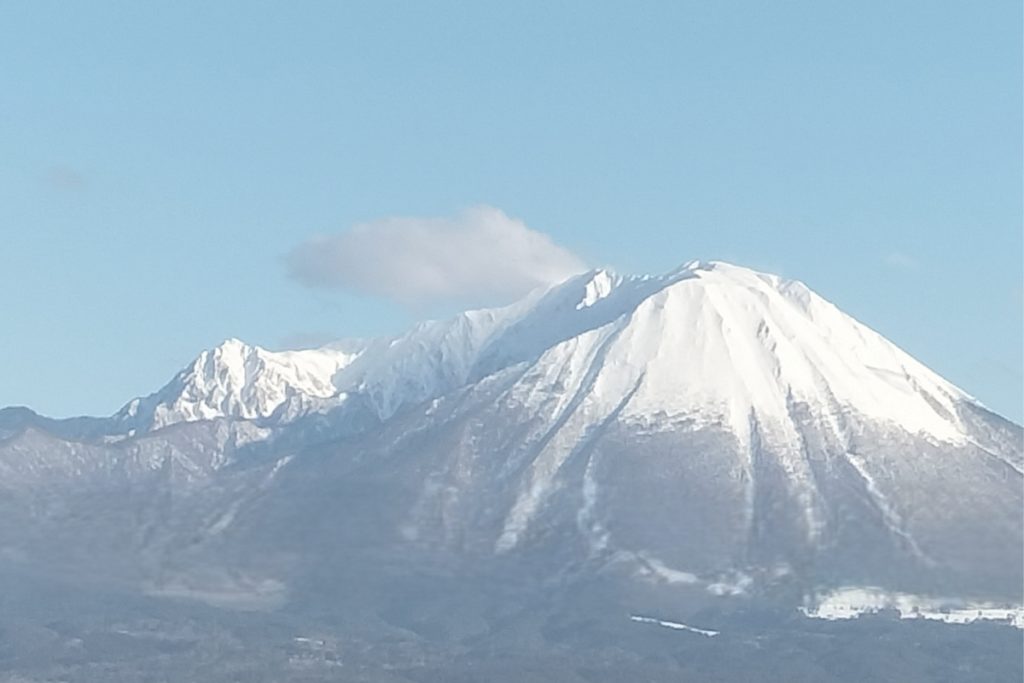
In western Japan, there is a mountain that feels both powerful and close.
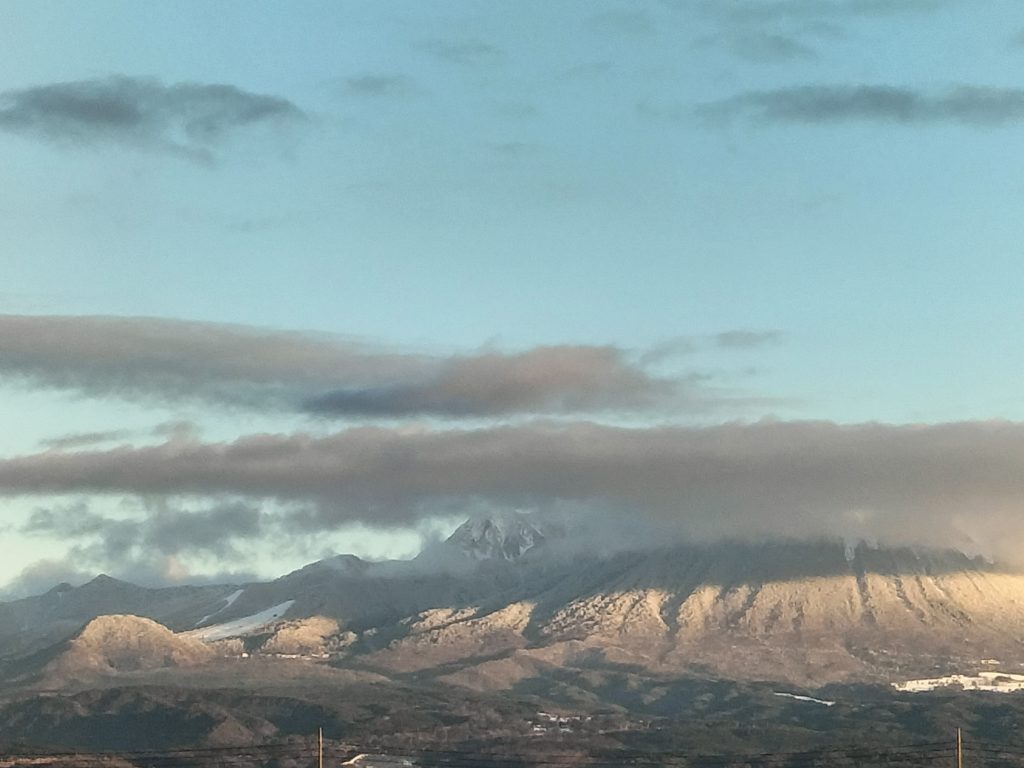
Mount Daisen.
It rises to 1,729 meters, not as tall as Mt. Fuji,
yet when you stand near it, the mountain feels much closer—almost overwhelming.
Unlike Mt. Fuji, which is often seen from a distance,
Daisen exists within everyday life.
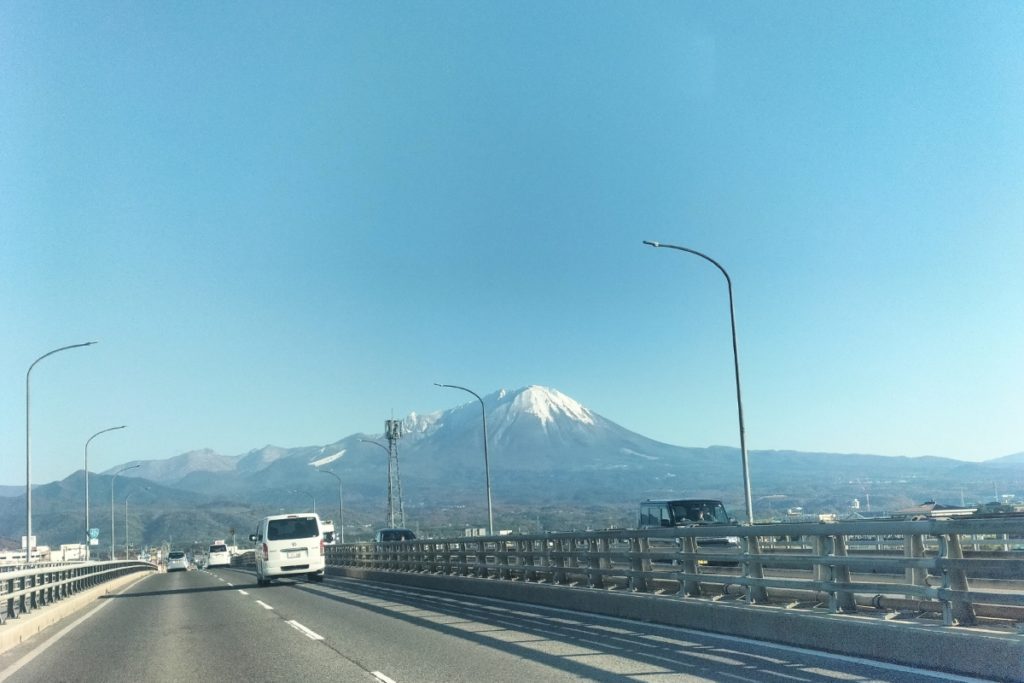
Temples, farms, small towns, and forests—
everything lives together at the foot of the mountain.
Daisen is also easily accessible from Yonago,
with buses and roads connecting the city to the mountain area.
→ See access from Yonago Station
A Mountain in Myth and Memory
Daisen is deeply connected to ancient Japanese mythology.
According to the Kunibiki myth,
the land of Izumo was once formed by pulling pieces of land together across the sea.
The rope used for this act is said to have been tied to mountains—
and Daisen is believed to be one of those sacred anchors.
Whether taken as myth or story,
standing here, the land feels shaped by something beyond time.
Daisenji Temple — A Place of Gentle Prayer
Daisenji Temple, founded over 1,300 years ago,
was once one of the most powerful temples in Japan.
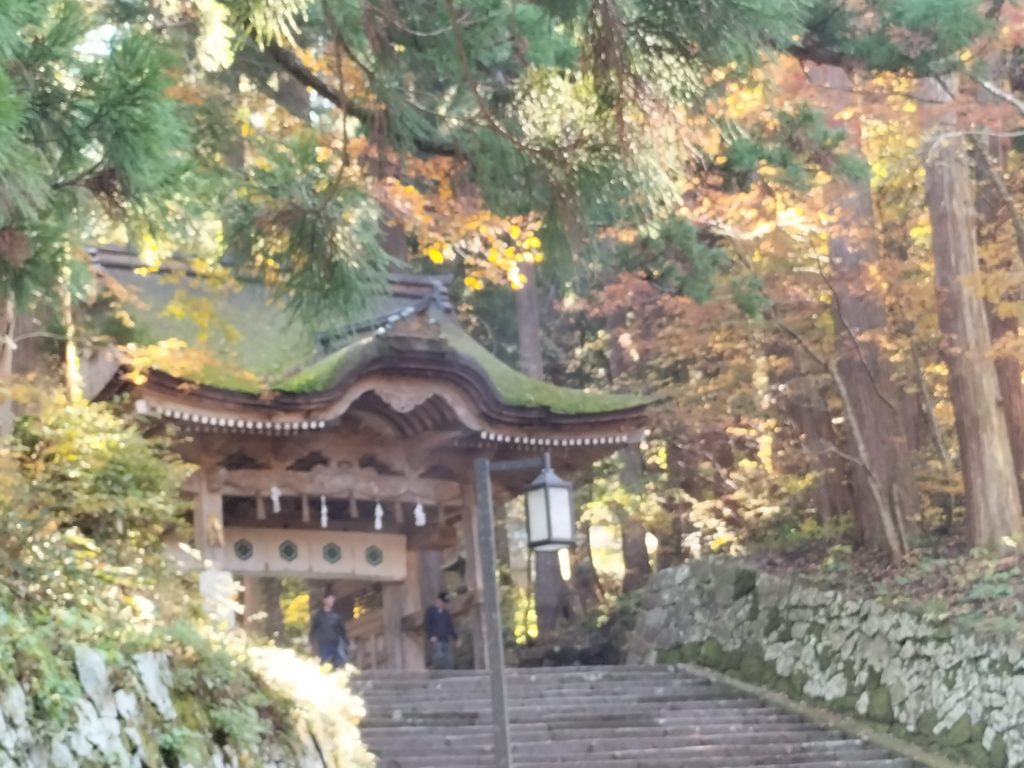
Today, what remains is a quiet atmosphere.
Along the paths, you will find many small Jizo statues—
figures that gently watch over all living beings.
There is a sense here that prayer is not only for people,
but for animals, nature, and life itself.
Walking through the temple grounds,
you may feel both a quiet fear of nature,
and a deep sense of comfort at the same time.
The Presence of the Mountain
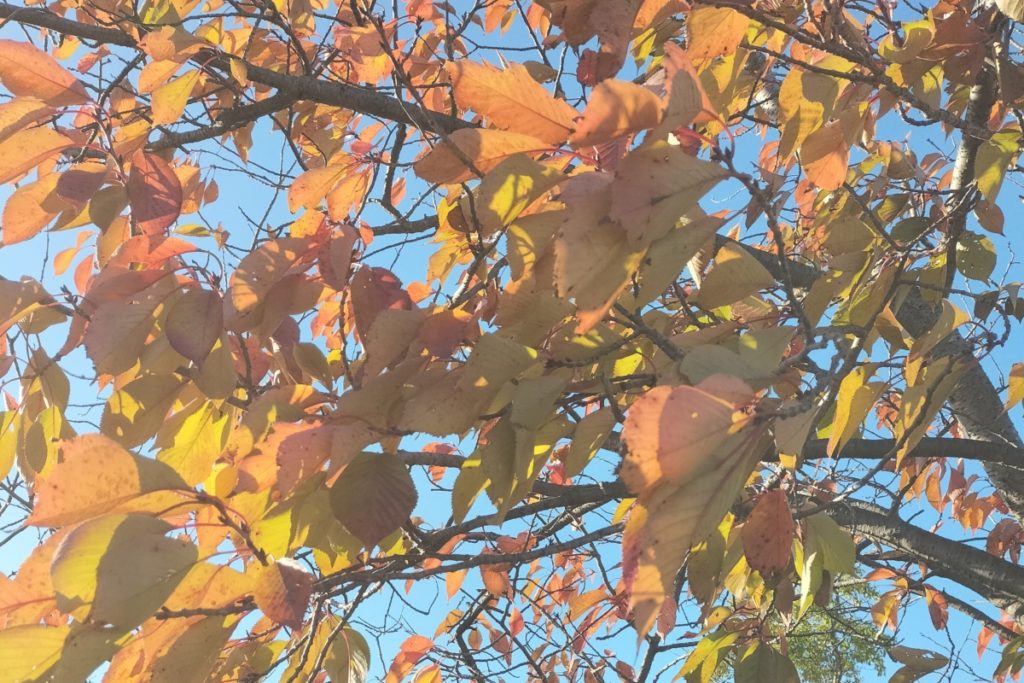
As you move closer to Daisen,
the mountain begins to feel different.
The air cools.
The forest grows denser.
The silence deepens.
There is a moment when the mountain no longer feels like scenery,
but something you are inside of.
At first, it can feel almost overwhelming—
a sense of awe that is difficult to describe.
But gradually,
that feeling softens into something calmer.
Something that holds you.
Water from the Mountain

Water flows everywhere around Daisen.
Clear streams run through the forest,
and deep underground,
hot spring water rises after traveling for long distances.
At Goen Yuin, a hot spring near the temple approach,
you can experience this water directly.
The water comes from 1,200 meters below the ground,
flowing naturally without artificial circulation.
When you sit in the open-air bath,
the mountain air and rising steam blend together.
It feels less like bathing,
and more like being held within the mountain itself.
After the Visit
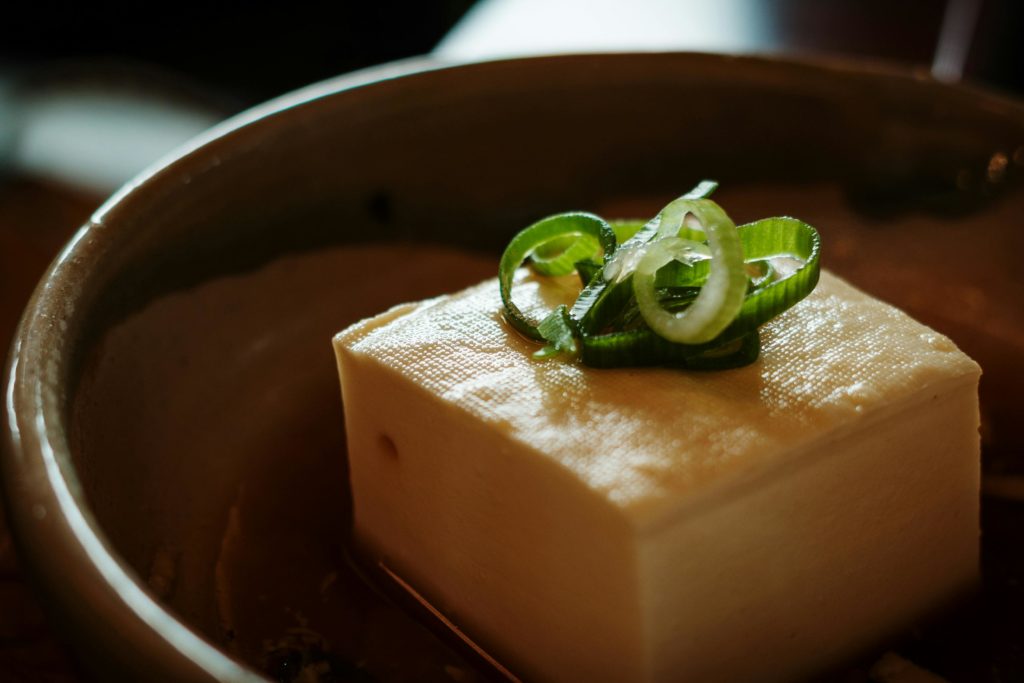
After visiting Daisenji,
many people do not feel like rushing away.
Instead, they pause.
To rest.
To warm the body.
To let the experience settle.
Simple food made with local ingredients,
clear water, and quiet surroundings—
these small things become part of the journey.
Why Visit Daisen
Daisen is not a place of spectacle.
It is a place where:
– the mountain feels close
– the water is clear and alive
– ancient stories still shape the land
– and time moves a little more slowly
For travelers looking for something quieter,
Daisen offers a different kind of experience—
one that stays with you long after you leave.
Where to Stay Near Daisen
– Mercure Resort Daisen — A quiet stay at the foot of the mountain
– Kaike Onsen — A seaside hot spring just 30 minutes away
– Lake Shinji area — for a slower, reflective stay
