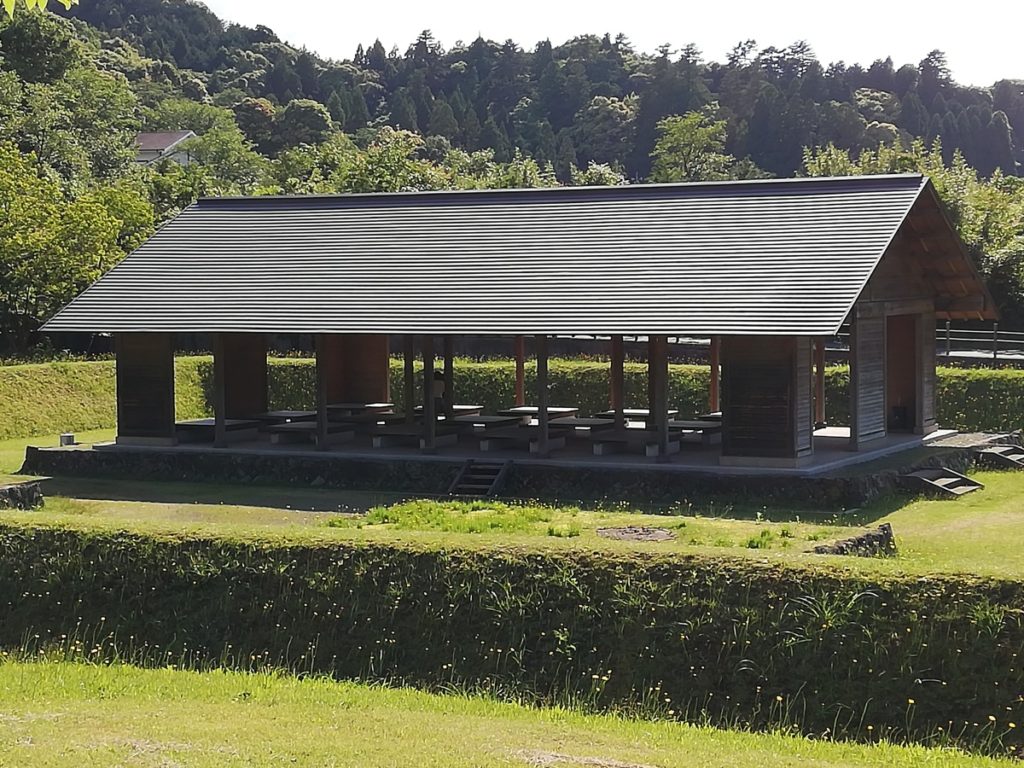
“Hello, mountain grandfather.”
When we knocked on the small door, a gentle voice would answer from inside.
I grew up near Fudoki no Oka, spending my childhood running freely through fields and hills.
Along the path up Chausuyama, there was an old man who lived in a small handmade hut.
When children visited, he would welcome us with a warm smile and small treats.
There was no television, only the quiet sound of a radio.
Electricity was drawn from a nearby line,
and the bath was likely heated with firewood.
The water came from a natural spring.
Looking back, long before the idea of “off-grid living” became widely known,
This kind of life already existed quietly in the mountains.
As children, we sometimes climbed the mountain twice in a single day.
Along the path, wild berries grew,
and we would pick and eat them as we made our way to the top.
At the summit, there was a handmade swing built by children,
and from there, we could see the town of Matsue and Lake Shinji stretching into the distance.
Around Fudoki no Oka, there were many ancient sites.
We gathered acorns, climbed trees,
and used pit dwellings as hiding places while playing.
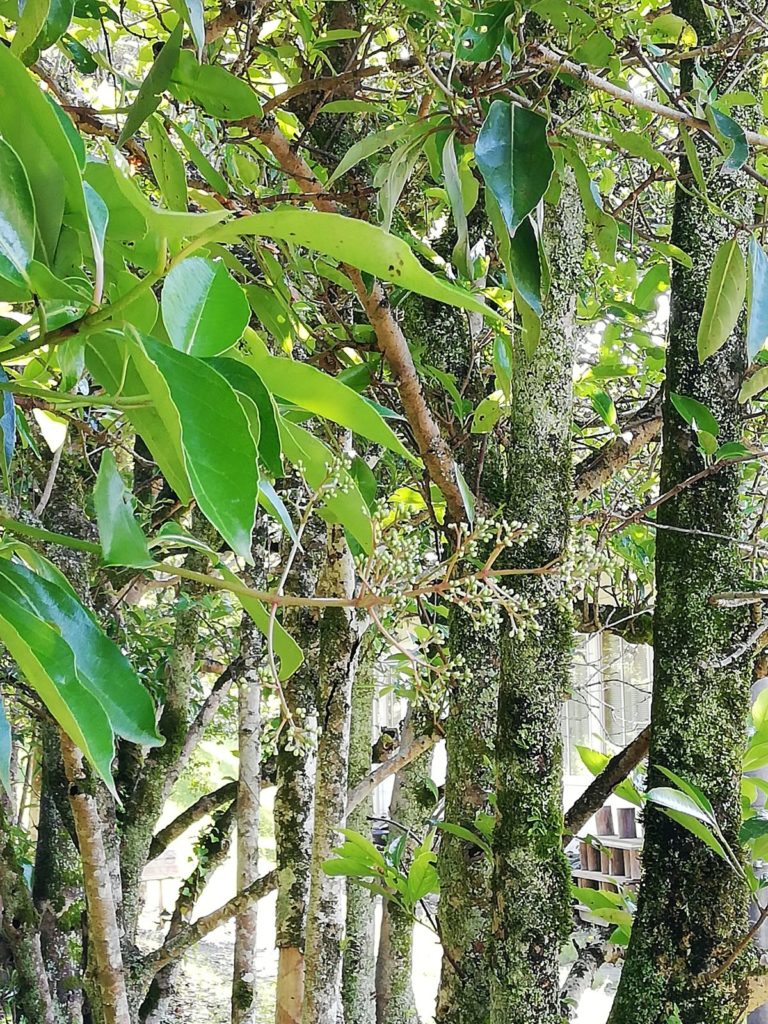
We didn’t know they were important cultural sites.
To us, they were simply places to explore.
Among the children, small stories would spread —
that hearing the call of a chicken meant something good would happen.
Sometimes, we would see the old man shopping at a nearby store.
But as a child, I somehow didn’t want to see that.
In my mind, he belonged to the mountain —
always smiling, watching over us,
something closer to a quiet spirit than an ordinary person.
At the time, those days felt ordinary.
But now, looking back,
that “nothingness” may have been the most fulfilling time of all.
Not a journey to gain something,
but a moment to simply be.
Perhaps those days in the mountains
are what led me to seek out places like this even now.
This memory continues into Matsue:
And further into Izumo: